Have you ever wondered how furniture brands create those perfect, intricate carvings at high speed?


Have you ever wondered how furniture brands create those perfect, intricate carvings at high speed?
Are Chinese CNC machines any good?
China has made substantial investments in industrial automation in recent years, transforming its capabilities from basic production to advanced precision engineering. Modern Chinese CNC machines now achieve much improved tolerances, becoming increasingly comparable to high-end Western machines.
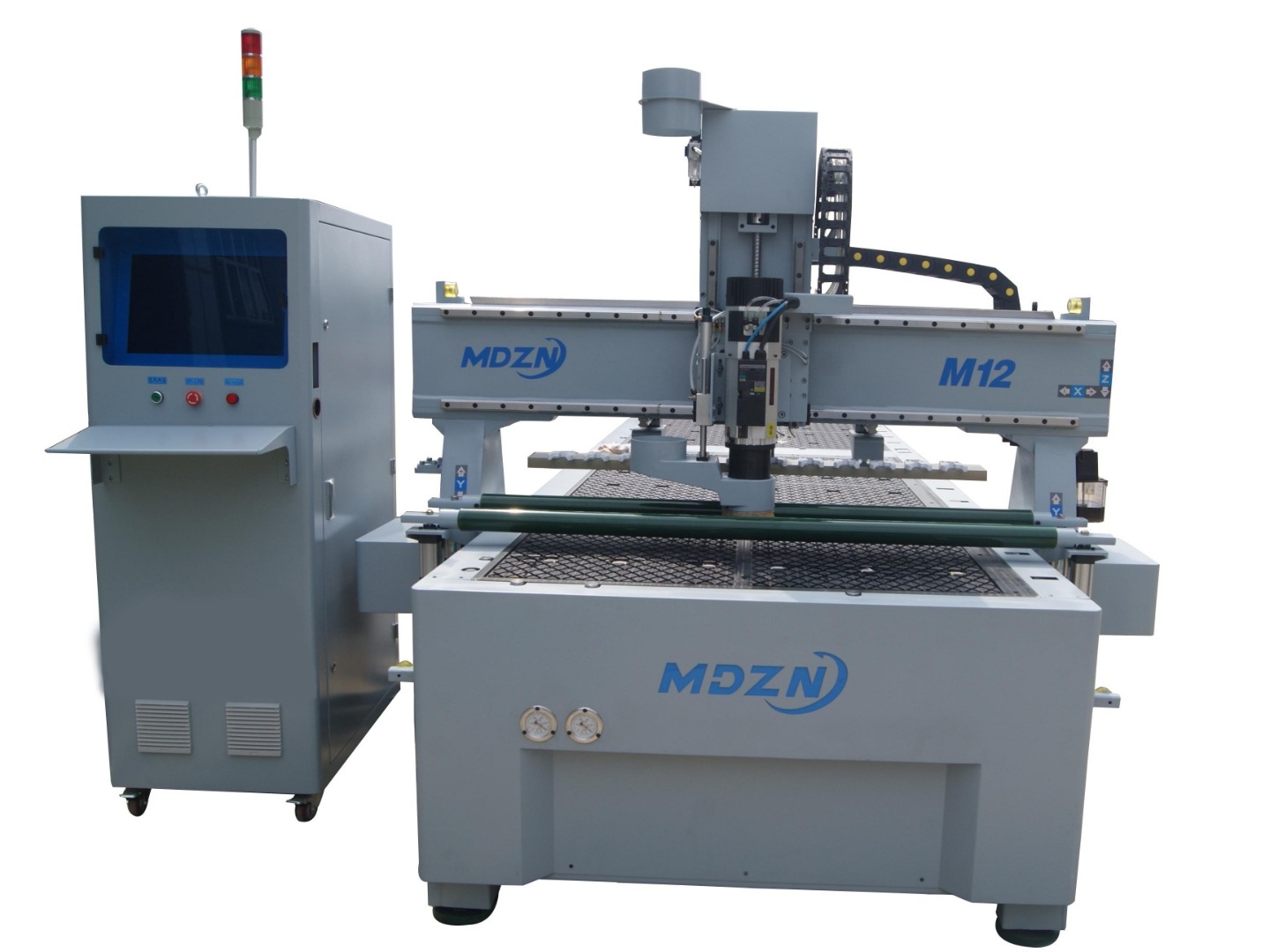
Short answer: Yes — but the real answer depends on what you're buying, where you're buying it, and what you expect it to do.
If you've been sourcing machinery for a while, you've probably heard the old narrative: Chinese CNC equals cheap, unreliable, and "good enough for rough work only." That story is outdated. When investing in a modern cnc machining center in 2026, the industry is far more nuanced — and frankly, more capable.
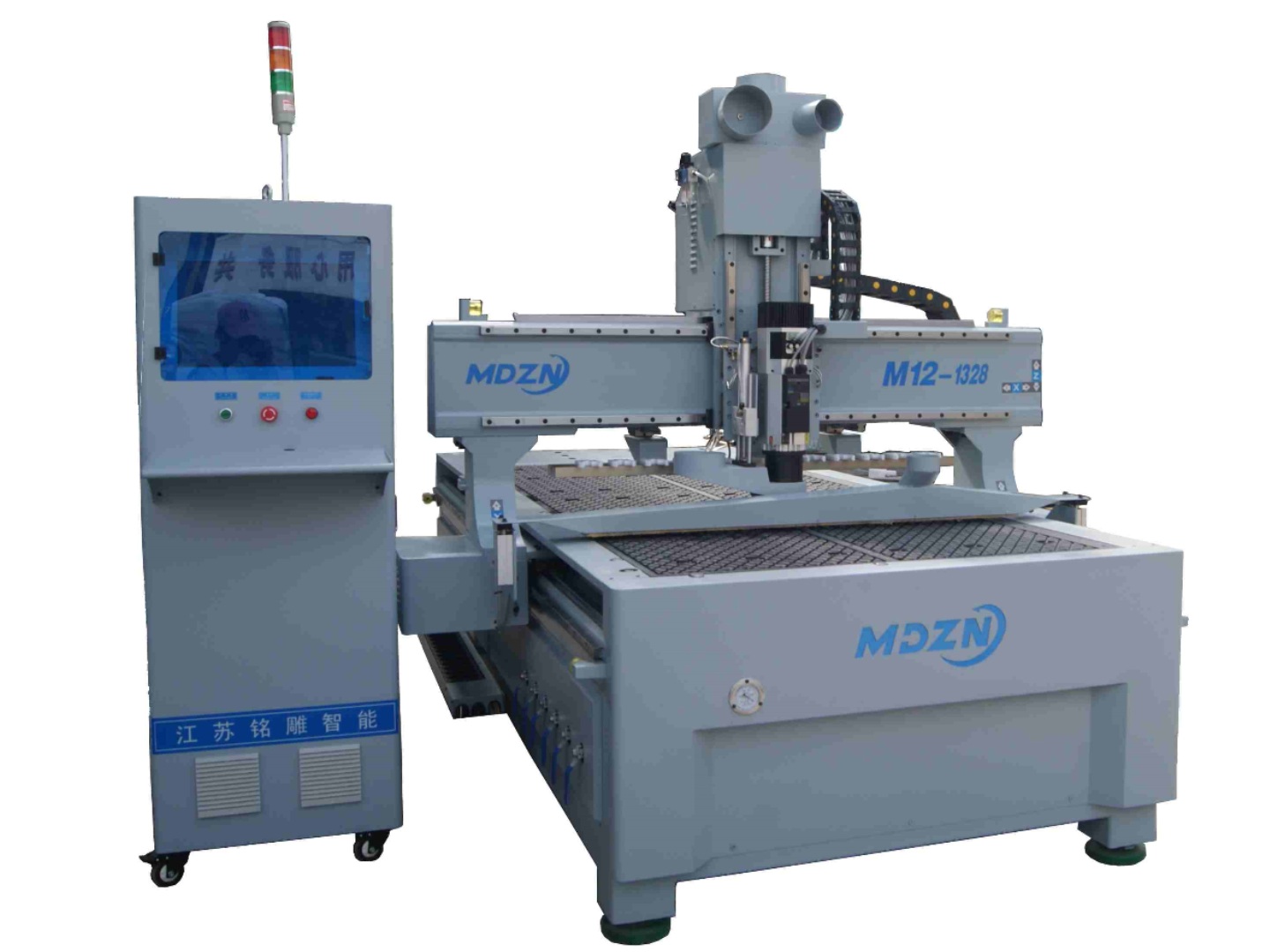
The Budget Tier: You Get What You Pay For
Let's be honest. The ultra-low-cost machines flooding marketplaces are a gamble. Industry insiders openly acknowledge that unlicensed, low-quality miscellaneous machines often show body deformation and escalating dimensional errors after just 2 to 4 years. If your production depends on holding tolerances day after day, a no-name bargain machine will cost you far more in downtime and scrap than you saved upfront.
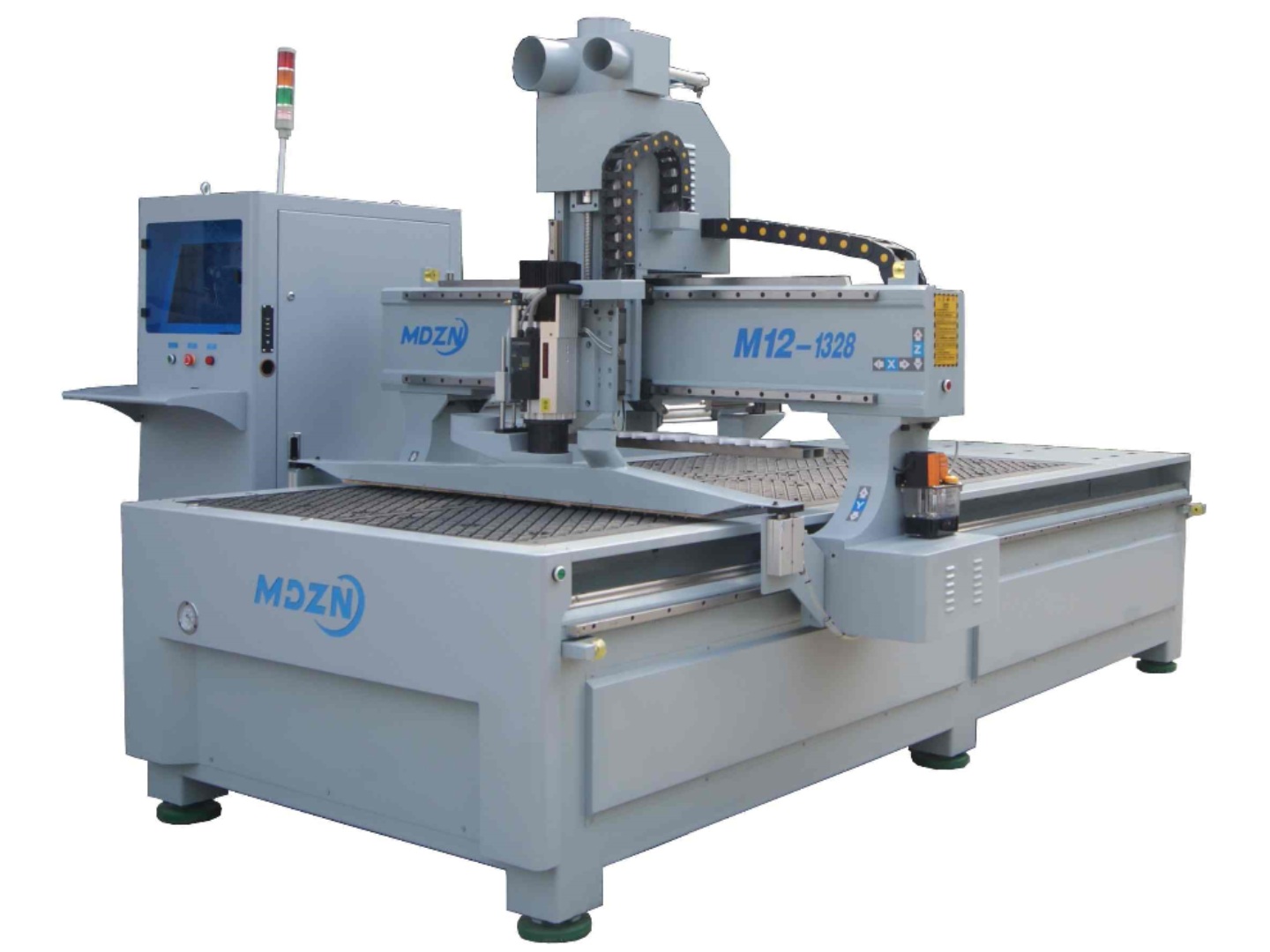
The Mid-to-High End: Where Things Get Serious
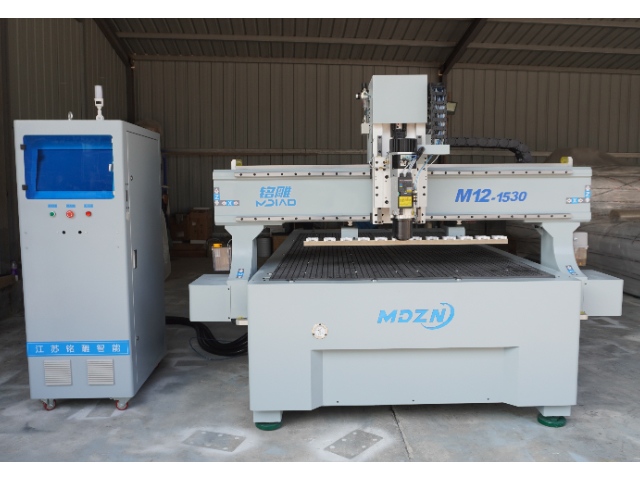
Here's where Chinese manufacturing has genuinely transformed. High-precision heavy equipment like a CNC Six-sided Drill can now achieve exceptional structural stability. In 2025, domestic manufacturers recorded a repeat positioning accuracy of 0.4 micrometers — roughly 1/200th the diameter of a human hair — competing directly with German and Japanese equivalents at less than half the price.
This isn't an isolated case. Data from CCMT2026 shows domestic brands exhibiting repeat positioning accuracies in the 0.8μm range, with proven long-term precision retention. The era of "great on paper, degrades in months" is ending among qualified players.
The Systemic Gap: Still Real, But Narrowing
Intellectual honesty requires acknowledging remaining weaknesses in heat treatment and guide rails. In heavy continuous operation, such as running a vertical machining center, MTBF still divides high-tier imported machines from domestic units, though domestic CNC systems continue to narrow the gap.
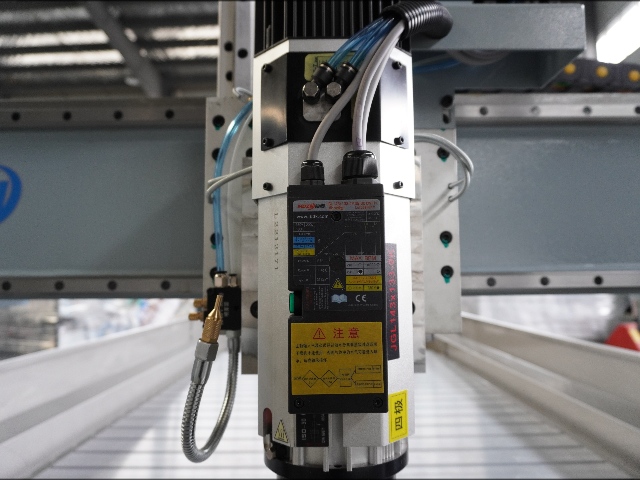
The most telling gap is reliability. Imported high-end machines achieve MTBF exceeding 3,000 to 5,000 hours, whereas domestic products average around 2,300 hours. For single-shift shops this may not matter, but for 24/7 continuous runs it remains a factor.
What This Means for Your Sourcing Decision
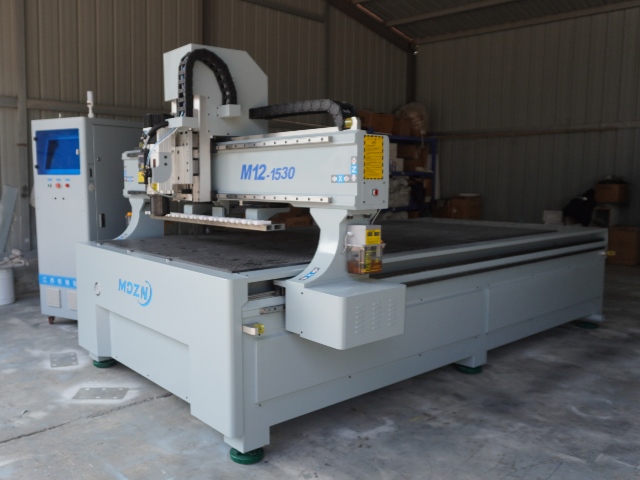
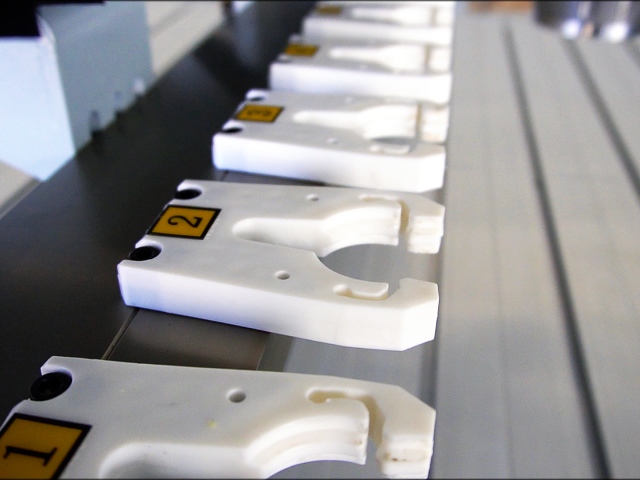
If you're buying for general panel production, rapid cabinetry, or nested routing using an automatic tool changer drilling machine, a reputable Chinese brand delivers unbeatable price-to-performance alongside fast service response.
If you're machining aerospace engine components, medical implants, or semiconductor tooling where failure isn't an option, imported machines still dominate for good reason.
The Bottom Line
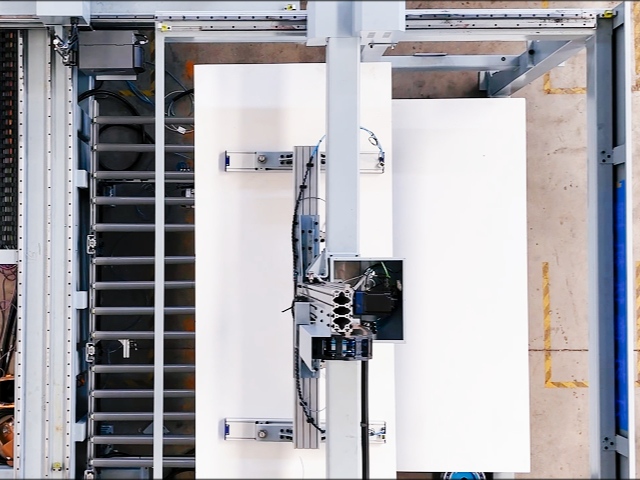
The question "Are Chinese CNC machines any good?" is now the wrong question. The right one is: "Which Chinese CNC machine, from which manufacturer, for which application?"
Still unsure? Just share your drawing with us – we’ll recommend the right process.
📧 Email: zhouni@jsmdzn.com
🌐 Website:https://www.mdzncnc.com/
 Address: No. 79 Xiushan Road, Gaochun Economic Development Zone, Nanjing City, Jiangsu
 Email: zhouni@jsmdzn.com
 Telphone: +86 -15358102610


Leave A Message
Scan to Wechat/Whatsapp :