Have you ever wondered how furniture brands create those perfect, intricate carvings at high speed?


Have you ever wondered how furniture brands create those perfect, intricate carvings at high speed?
What Are the Different Types of CNC Cutting Machines?
Choosing the Right Machine Starts with Understanding the Technology
If you are sourcing CNC cutting equipment for your market, the first question is not "which brand" but "which cutting method fits the application." CNC cutting machines are not interchangeable. A plasma cutter cannot replace a waterjet for heat-sensitive aerospace alloys, and a laser system will struggle with thick carbon steel that a flame cutter handles economically.
Here is a practical breakdown for buyers and distributors.
Plasma Cutting Machines: The Workhorse of Metal Fabrication
CNC plasma cutters use a high-temperature plasma torch to melt through electrically conductive metals. Modern high-definition plasma systems achieve cutting speeds exceeding 10 m/min and can handle steel thicknesses beyond 150 mm. The cutting quality of precision plasma has approached laser-level finishes, making it a strong value proposition for general metal fabrication, structural steel, and HVAC manufacturing.
Flame Cutting Machines: Thick Carbon Steel, Lower Cost
Oxy-fuel CNC cutting remains the most cost-effective method for thick carbon steel plates. The trade-offs are slower cutting speeds, longer preheating and piercing times, and greater heat distortion. For distributors targeting heavy steel fabrication or shipbuilding suppliers, flame cutting machines offer a reliable, low-operating-cost solution.
Laser Cutting Machines: Precision for Thin to Medium Sheet
Fiber laser cutting has transformed sheet metal processing. It delivers exceptional speed and edge quality, but remains a capital-intensive investment best suited for thin sheets and high-precision applications. Industries like jewelry, medical devices, and electronics manufacturing rely on laser systems for intricate geometries.
Waterjet Cutting Machines: No Heat, No Limits
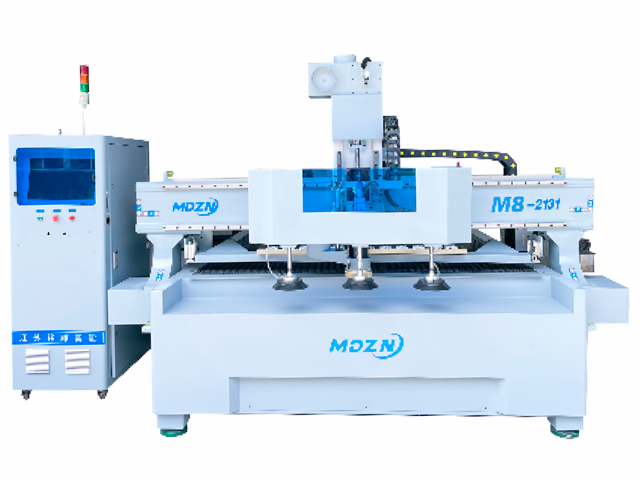
Abrasive waterjet cutters use highly pressurized water mixed with abrasive particles to erode material without creating a heat-affected zone. They can cut virtually any material—metals, glass, ceramics, composites—with high precision. The trade-offs are slower cutting speeds and higher operating costs per part. This is the go-to solution for aerospace, stone fabrication, and any application where thermal distortion is unacceptable.
Milling Machines: Versatile 3D Machining
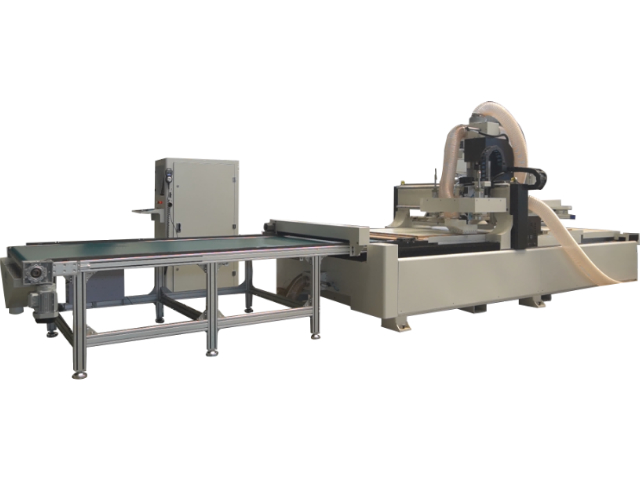
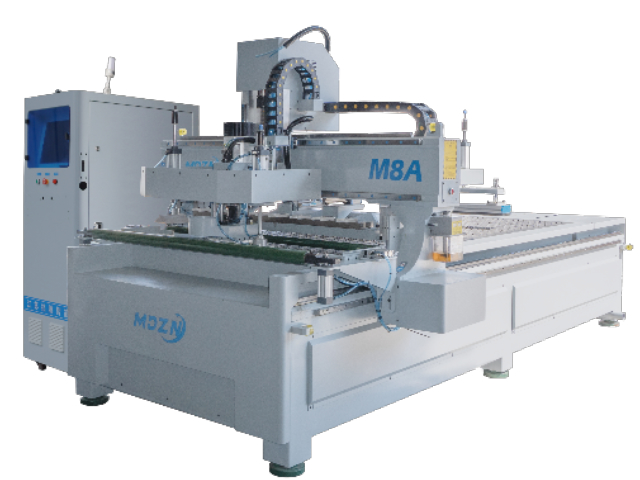
CNC milling machines use rotating cutting tools against stationary workpieces. They handle aluminum, steel, engineering plastics, and can produce complex 2D, 2.5D, and 3D parts. Three-axis machines cover most general needs, while 4-axis and 5-axis configurations enable complex geometries in single setups.
Routers: Large-Format Cutting for Softer Materials
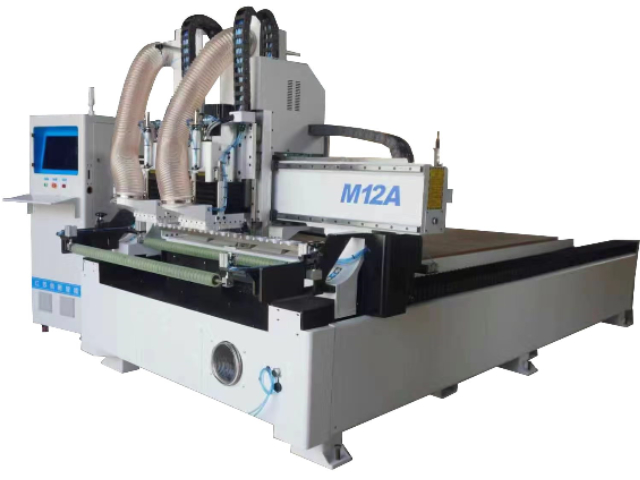
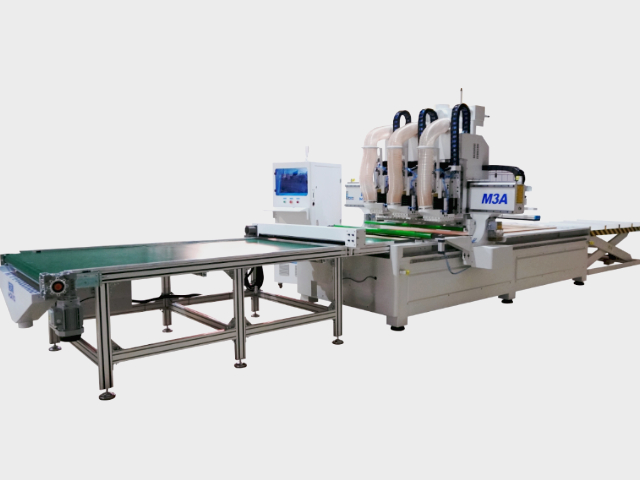
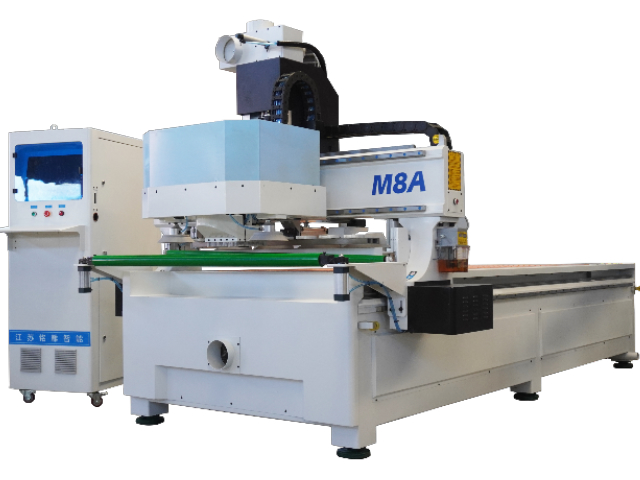
CNC routers excel at processing wood, plastics, composites, and aluminum with large work envelopes. They prioritize speed and size over the rigidity of a milling machine, making them ideal for signage, cabinet making, and panel processing.
Lathes: Precision Cylindrical Parts
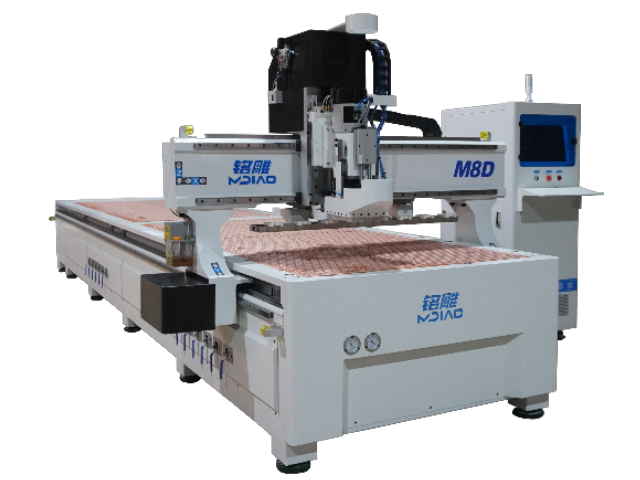
On a CNC lathe, the material rotates while the cutting tool stays stationary. This is the standard for shafts, bolts, and any cylindrical component. Swiss-type lathes push precision further, using a guide sleeve to support slender parts and achieve sub-micron tolerances for medical and aerospace applications.
EDM: For the Hardest Materials and Tightest Tolerances
Electrical Discharge Machining uses electrical sparks to erode material. Wire EDM slices through hardened tool steel like a precision cheese cutter, while sinker EDM burns complex cavities and sharp internal corners that milling tools cannot reach. This is niche but essential for mold making and die manufacturing.
Machine Structure Matters Too
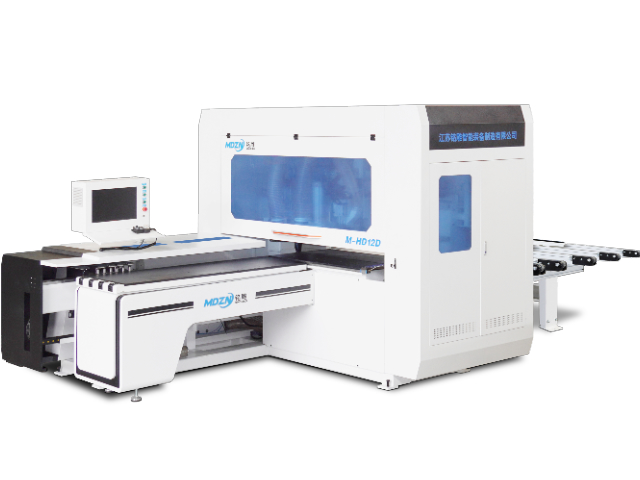
Beyond the cutting method, the mechanical configuration affects what the machine can handle. Gantry-style machines offer large travel for oversized plates. Cantilever designs suit small to medium workpieces. Portable CNC cutters bring automation to job sites at minimal cost. Desktop machines serve prototyping and light production.
The Bottom Line for Buyers
Match the machine to the material, thickness, precision requirement, and production volume. Plasma and flame cover the broad middle of metal fabrication. Laser handles precision sheet work. Waterjet solves the problems other methods cannot. Milling and turning address 3D part production. A distributor who understands these distinctions can advise customers accurately—and build a reputation as more than just a reseller.
 Address: No. 79 Xiushan Road, Gaochun Economic Development Zone, Nanjing City, Jiangsu
 Email: zhouni@jsmdzn.com
 Telphone: +86 -15358102610


Leave A Message
Scan to Wechat/Whatsapp :